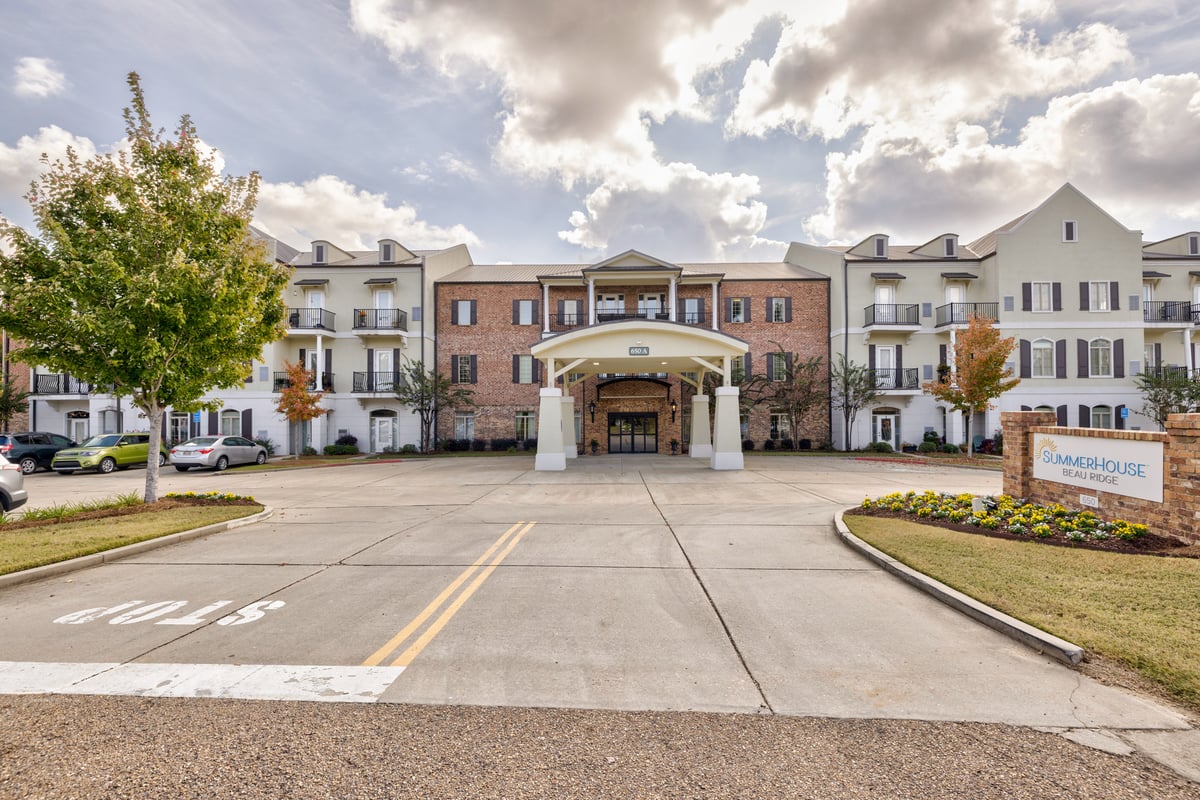

As we age, our bodies undergo a complex set of changes that can profoundly affect our quality of life. It is crucial to understand these changes, not only for individuals entering retirement communities but also for anyone who wants to age gracefully and maintain their well-being. In this in-depth exploration, we will delve into the concepts of primary aging vs. secondary aging, shedding light on how these processes intersect and influence your experience in senior living communities.
Primary Aging: The Natural Progression
Primary aging, also known as intrinsic aging, is the gradual and inevitable physiological changes that occur in our bodies as we grow older. These changes are universal and occur regardless of our lifestyle choices or external factors. Here, we'll take a closer look at the key aspects of primary aging:
Cellular Degeneration
At the cellular level, primary aging manifests as the gradual decline in the function and efficiency of our body's cells. This includes a decrease in cell replication, and repair mechanisms, and an increase in cellular damage over time. These changes contribute to the overall aging process.
Decline in Sensory Perception
Vision and hearing changes are common aspects of primary aging. Many individuals experience a gradual decline in their ability to see clearly or hear sounds at higher frequencies.
Loss of Muscle Mass and Bone Density
Another hallmark of primary aging is the loss of muscle mass and bone density. As we age, our muscles weaken, and our bones become less dense, making us more susceptible to fractures and injuries.
Slower Metabolism
Primary aging is also associated with a slower metabolism, which can lead to weight gain and a decreased ability to process nutrients efficiently.
Reduced Cardiovascular Efficiency
Aging can impact the cardiovascular system, leading to conditions such as hypertension and decreased overall heart function.
Immune System Changes
The immune system becomes less efficient with primary aging, making individuals more susceptible to infections and illnesses.
Understanding primary aging is essential for individuals considering senior living communities. These natural changes provide the foundation for personalized care and support that addresses the unique needs of residents in these communities.
Secondary Aging: The Influence of Lifestyle and Environment
In contrast to primary aging, secondary aging, also known as extrinsic aging, is influenced by external factors and lifestyle choices. These factors can accelerate the aging process and contribute to a less favorable aging experience. Let's delve into the key aspects of secondary aging:
Environmental Exposures
Prolonged exposure to environmental pollutants, such as UV radiation from the sun or air pollution, can accelerate skin aging and increase the risk of skin cancer.
Diet and Nutrition
Poor dietary choices, high in processed foods and lacking essential nutrients, can lead to obesity, diabetes, and cardiovascular diseases, all of which can affect the aging process.
Physical Activity
A sedentary lifestyle can exacerbate the loss of muscle mass and bone density, leading to mobility issues and a decreased quality of life.
Stress and Mental Health
Chronic stress and untreated mental health conditions can have a detrimental impact on aging, leading to cognitive decline and a higher risk of age-related neurodegenerative diseases.
Smoking and Substance Abuse
Tobacco use and excessive alcohol consumption can accelerate aging by increasing the risk of chronic diseases and negatively affecting various bodily systems.
Lack of Social Engagement
Isolation and a lack of social engagement can lead to depression and cognitive decline, contributing to secondary aging.
Understanding the interplay between primary and secondary aging is crucial when making decisions about senior living communities. By addressing and mitigating the effects of secondary aging, individuals can optimize their overall well-being and quality of life as they age.
The Synergy Between Primary and Secondary Aging
Primary aging and secondary aging are not separate entities but rather two sides of the same coin. They interact and influence each other in a dynamic manner. While primary aging sets the baseline for the natural changes that occur with age, secondary aging acts as a modifier, either amplifying or mitigating these changes based on individual choices and circumstances. Recognizing this synergy is pivotal for individuals seeking to optimize their aging experience.
The Role of Senior Living Communities
Senior living communities, including our Personal Care and Memory Care communities, recognize the importance of differentiating between primary and secondary aging. By offering a comprehensive range of services and personalized care plans, these communities aim to provide residents with the tools they need to navigate the aging process effectively such as providing a proper eating environment by meeting dietary needs.
Healthy Lifestyle Programs
Retirement communities offer a wide array of programs that promote healthy living, including fitness classes, nutritional guidance, and stress-reduction activities. These programs target secondary aging factors, helping residents maintain their physical and mental well-being.
Social Engagement and Support
These facilities understand the significance of social interaction in combating secondary aging. Our communities foster a vibrant social environment where residents can connect, build friendships, and maintain an active social life.
Personalized Care Plans
Recognizing that primary aging affects each individual differently, we develop personalized care plans tailored to residents' unique needs. These plans address primary aging challenges, ensuring that residents receive the appropriate care and support.
Healthcare Services
By providing access to healthcare services, retirement communities enable their residents to seek professional opinions readily to manage chronic conditions effectively. They can receive regular check-ups to monitor primary aging-related changes, as well as get quick diagnoses of illnesses or diseases.
Embracing a Holistic Approach to Aging
Primary aging and secondary aging are two interconnected aspects of the aging process. While primary aging represents the natural physiological changes that occur with age, secondary aging is influenced by lifestyle choices and environmental factors. Understanding these distinctions is essential for individuals seeking to make informed decisions about senior living communities. By addressing both primary and secondary aging, these retirement communities can fight against ageism by providing the necessary support and resources to help residents lead fulfilling and healthy lives to age gracefully.